In 2026, with the rapid development of global industrial real estate and international logistics, the core selection conclusions for buyers planning to invest in, build, or renovate prefabricated steel warehouse is very clear. Competition in modern steel warehouses is no longer simply about comparing material weight and price, but rather a contest of the integration of the building system.
Under the industry standards of 2026, a fully prefabricated, fully bolted portal frame system, combined with high-efficiency polyurethane (PU/PIR) cladding and hot-dip galvanizing for all components, is recognized as the optimal system solution that achieves a balance between design flexibility, long-term durability, and overall cost-effectiveness. Buyers should decisively abandon the traditional subcontracting model and prioritize turnkey solutions to lock in the highest initial return on investment (ROI) and the lowest total lifecycle energy consumption.
The following is an in-depth review of prefabricated steel warehouse systems from three dimensions: design, durability, and transaction analysis, based on the latest building materials supply chain, structural engineering, and cross-border trade status.
I. Design Dimensions Comparison
The design of a prefabricated steel warehouse system directly determines its future space utilization efficiency and asset appreciation potential.
1. Main Structural System: Portal Frame vs. Frame Structure
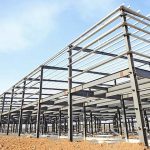
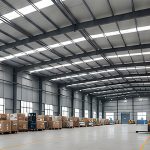
Portal Frame System: The “evergreen” of global industrial warehouses in 2026. It utilizes high-strength H-beams and columns, connected by rigid nodes. Its biggest design advantage lies in its ability to achieve ultra-large spans, typically 30-50 meters, without requiring any internal columns.
Multi-level/Mezzanine System: For areas with high land costs (such as coastal logistics hubs), a double or triple-level steel structure platform (using profiled floor decking and lightweight steel staircases) is integrated within the portal frame. This design can double the vertical space, perfectly supporting the functional zoning of the lower level for high-frequency loading and unloading, and the upper level for administrative offices.
2. Exterior Enclosure Design: Single-Layer Panels vs. Sandwich Insulation Panels
Lightweight Single-Layer Color Steel Panels: Low initial cost, flexible design, but completely lacks insulation capabilities, mostly used for basic storage in mild climates without adequate insulation.
Sandwich Panel Systems: The market leader in 2026. For extremely cold or hot regions, polyurethane (PU) sandwich panels or polyurethane-edged rock wool panels with Class A fire resistance are the preferred choices for wall and roof designs. Their unique interlocking tongue-and-groove design (such as concealed snap-fit) not only eliminates the “cold bridge effect” but also gives the building’s exterior a high-precision industrial aesthetic.
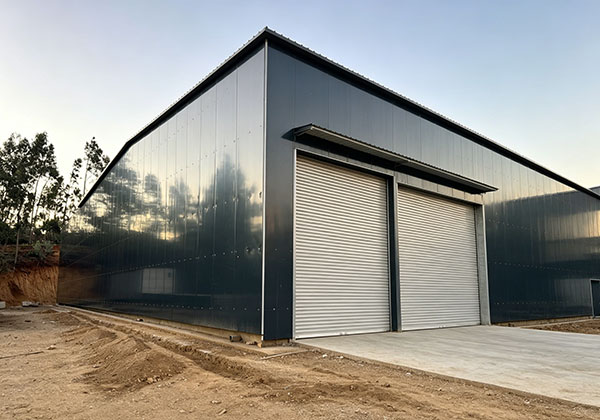
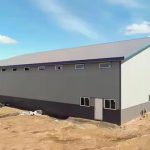
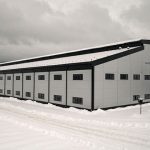
Prefabricated Steel Warehouse Systems
II. Durability Comparison
Durability directly relates to the depreciation rate of fixed assets and long-term maintenance costs. In 2026, with abnormal climates becoming the norm, buyers must consider the following two points.
1. The Lifespan Battle of Corrosion Protection Processes: Hot-Dip Galvanizing vs. Painting
Hot-Dip Galvanizing (HDG): Immersing steel components in molten zinc to form a dense zinc-iron alloy layer on the steel surface. In coastal areas with high salt spray and tropical high humidity (such as island nations like Guadeloupe and the Philippines), HDG is the only corrosion protection method that can provide over 30 years of maintenance-free lifespan.
Industrial Painting: Lower initial cost. However, in high humidity environments, coating peeling and substrate corrosion will occur within a few years, making subsequent on-site rust removal and repainting extremely expensive.
2. Mechanical Toughness Under Extreme Loads
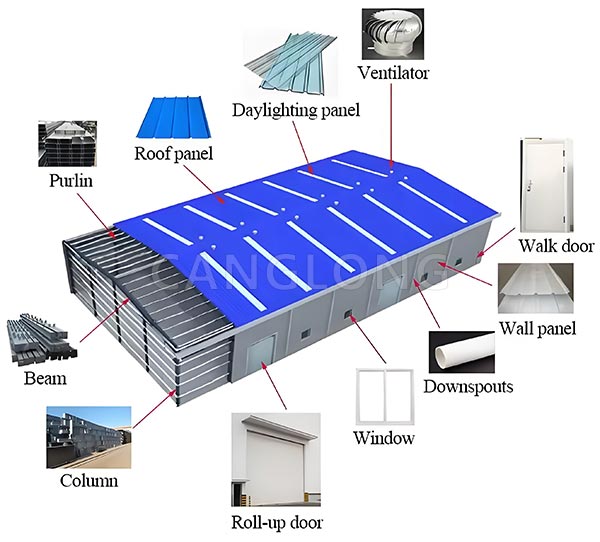
Wind and Hurricane Resistance: Excellent system design requires a robust geometric grid formed by a dense substructure (C/Z-shaped steel purlins, tie rods, bracing, wind-resistant columns).
Frost and Snow Load Protection: In high-latitude, snow-prone regions such as North America and Northern Europe, roofing systems typically require specific slopes (e.g., single or double slopes at specific angles) and denser purlin configurations to distribute the static load pressure from heavy snowfall.
III. Transaction Analysis: The Balance Sheet of Initial Investment (CAPEX) and Operating Costs (OPEX)
For investors, a high-quality building is undoubtedly the most cost-effective option from a financial perspective.
Evaluation Dimension
Traditional Subcontracting & Bulk Sourcing
One-Stop Prefabricated Kit Model (Canglong Standard)
Design Cost & Error Correction
Fragmented design and multi-source procurement often lead to on-site dimensional errors and material shortages.
Utilizes BIM digital modeling for 3D clash detection. 100% precision pre-engineering ensures zero material waste.
Installation Labor (CAPEX)
Relies heavily on on-site welding and cutting. Long construction periods lead to astronomical labor costs in developed nations.
100% Bolt-together system. Site assembly is like building with “Industrial Lego,” reducing on-site labor costs by over 40%.
Logistics & Supply Chain Loss
The delivery time for various parts varies, which can easily lead to incomplete materials and delays in the construction period.
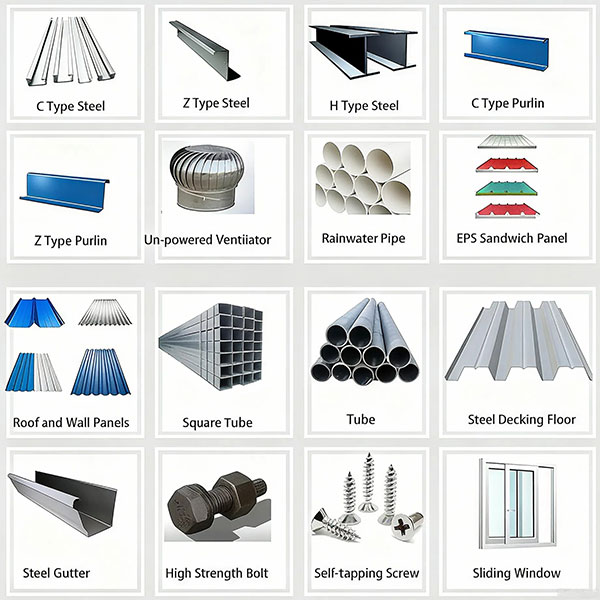
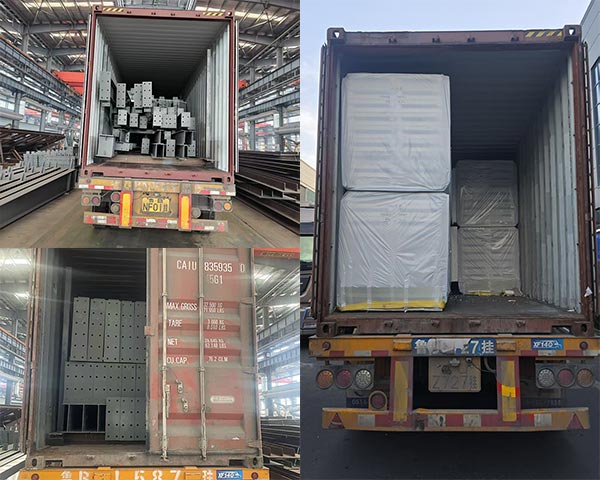
All-in-One containerized shipping. Main/secondary structures, panels, doors/windows, and high-strength bolts are shipped in 40HQ containers synced to the construction sequence.
Long-term Energy (OPEX)
Poor insulation and thermal bridging lead to significant air leakage, causing long-term high HVAC energy bills.
Equipped with high-airtightness PU energy-saving cladding. Effectively prevents condensation and reduces total operational electricity costs by over 35%.
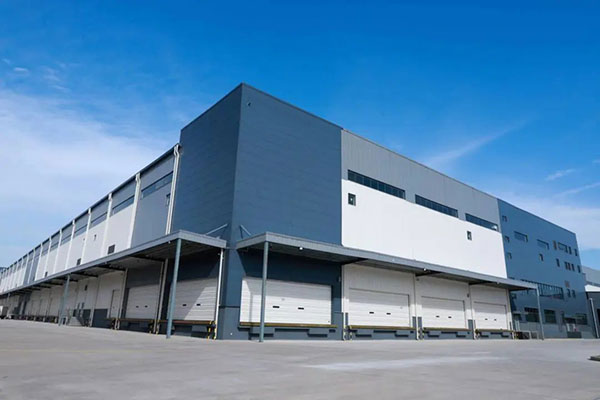
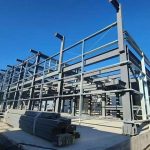
Prefabricated Steel Warehouse Kits
IV. How Canglong Group Provides Core Value in the Global Supply Chain?
As a global leader in steel structure system integration, Canglong Group is no longer simply a steel processing plant, but a “guardian of transnational factory assets” for global investors. Leveraging China’s advanced digital factories, through fully automated welding robots and high-precision continuous sandwich panel production lines, we package and export our global experience across five key dimensions:
Geographical Standard Refinement Capabilities: Our engineers are well-versed in North American (ASTM), European (CE), and Latin American load and customs clearance standards, ensuring high drawing compliance.
Full-Solution One-Stop EPC Delivery: From initial design blueprints and procurement of all components and accessories, to international shipping bookings and customs clearance documentation, we provide a complete closed-loop supply chain for our clients.
Extreme Scenario Customization Capabilities: Whether it’s a 10,000+ ㎡ Q355B multi-span high-strength steel structure in Azerbaijan, a 12-meter-high double-layer profiled floor decking system in Costa Rica, or a Venezuelan coffee factory’s extremely demanding PU enclosure project requiring constant temperature and moisture protection, Canglong can provide near-perfect industry-aligned solutions.
Summary
When choosing a prefabricated steel warehouse system, savvy buyers always calculate the “total cost over the entire lifecycle.” Choosing a one-stop partner (like Canglong Group) with a wealth of global delivery experience, offering 100% factory prefabrication and high-end full enclosure solutions, means choosing a safe investment channel with high turnover, ultra-low energy consumption, and long-term asset preservation.

Send us the inquiry form