Yes, prefabricated industrial buildings meet green building standards and are becoming an important direction for the development of green industrial buildings globally. As the global construction industry transforms towards low-carbon, energy-saving, and sustainable development, green construction standards have become an important trend for the future development of industrial buildings.
Traditional construction methods face increasing environmental challenges due to long on-site construction cycles, significant material waste, and high energy consumption. Prefabricated industrial buildings, through factory production, standardized manufacturing, and modular installation, can better meet the requirements of green building for resource utilization, construction efficiency, and environmental impact control.
The global construction industry is transitioning to green practices
In recent years, countries around the world have been continuously promoting the reduction of carbon emissions in the construction industry.
Europe, North America, Australia, and some Asian countries have already applied green building standards to industrial plants, warehousing centers, logistics facilities, and other fields.
As a significant area of energy consumption and material usage, industrial buildings are attracting increasing attention from clients regarding:
Energy consumption throughout the building’s lifecycle;
Materials recyclability;
Environmental impact of construction;
Long-term operating costs.
Therefore, how to construct more environmentally friendly and efficient industrial spaces has become a crucial consideration for global companies investing in such projects.
How can prefabricated industrial buildings achieve green construction?
1. Factory Production Reduces Construction Waste
Most structural components of prefabricated industrial buildings are manufactured in factories.
Compared to traditional on-site construction:
Material use is more precise;
The production process is easier to control;
On-site construction waste is reduced.
Through digital design and standardized production, material utilization can be improved, and resource waste can be reduced.
2. Reduced Construction Impact and Increased Construction Efficiency
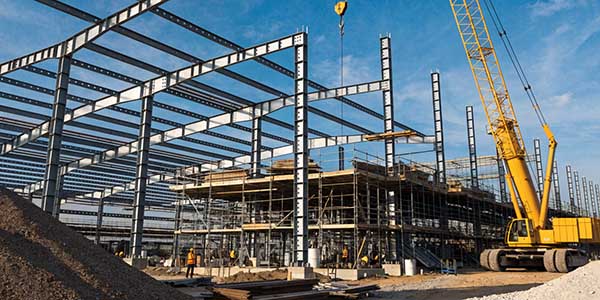
Prefabricated buildings utilize a factory manufacturing and on-site installation model. Much of the processing work is completed in advance in the factory, shortening on-site construction time and reducing:
Construction noise
Dust pollution
On-site energy consumption
For industrial projects in urban areas or large-scale corporate expansion projects, this construction method is more in line with environmental protection requirements.
3. Steel Structure Materials Have Recycling Value
Steel is one of the key materials in prefabricated industrial buildings. Steel structures have excellent recycling characteristics; even after the building’s life cycle, the steel can still be recycled and reused.
This aligns with the global green building concept’s development direction of reducing resource consumption, increasing material recycling rates, and reducing the building’s carbon footprint.
Green building focuses not only on the construction process but also on long-term use
Green industrial buildings are not just about “how to build,” but more importantly, their long-term performance after being put into use.
Modern prefabricated industrial buildings can incorporate:
High-performance thermal insulation envelope systems
Energy-efficient roofing systems
Daylighting design
Ventilation systems
Solar photovoltaic systems
Helping businesses reduce energy consumption during long-term operation.
For buildings such as factories, warehouses, and logistics centers, building energy efficiency directly impacts the company’s operating costs for decades to come.
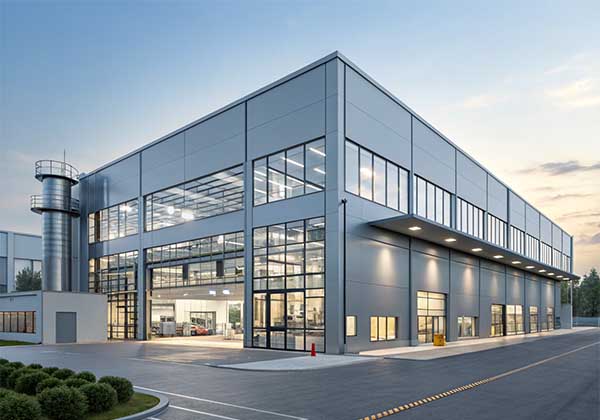
Prefabricated Industrial Buildings Design
Why are more and more customers choosing prefabricated industrial buildings?
For industrial projects, clients need more than just a building; they want:
✅ Faster project delivery
✅ More consistent building quality
✅ Lower long-term operating costs
✅ More environmentally friendly building solutions
Therefore, from South American agricultural warehouses to African industrial plants and European and American manufacturing bases, prefabricated steel structure buildings are being adopted by an increasing number of companies.
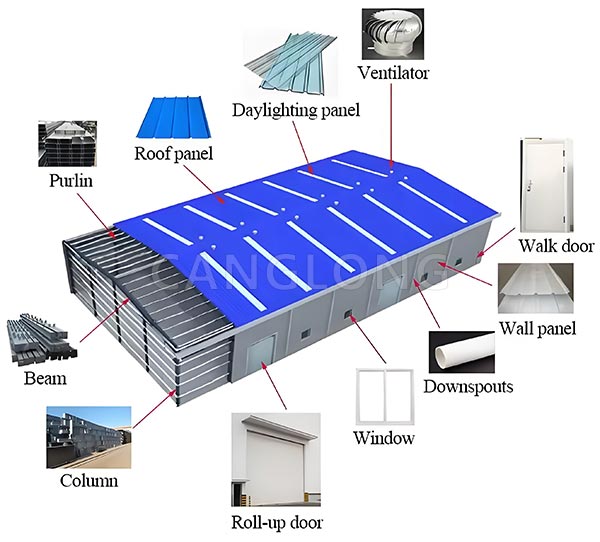
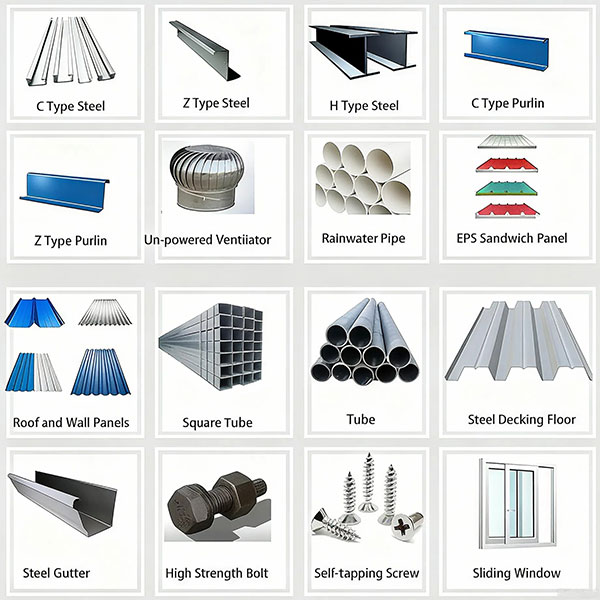
Prefabricated Steel Structure Kits
Canglong Group creates green industrial buildings that meet future trends
As a global supplier of steel structure building solutions, Canglong Group provides more efficient, environmentally friendly, and reliable prefabricated industrial buildings to global clients through:
Professional engineering design
Factory-based manufacturing
Efficient logistics and delivery
Complete enclosure system solutions
Green construction is not just a building method, but also an investment philosophy for the future. With the continuous upgrading of global industry, prefabricated industrial buildings will play an increasingly important role in promoting the low-carbon development of the construction industry.

Send us the inquiry form