What are the core requirements of cold storage? Ultimate insulation, long-term stability, safety and reliability. And PIR insulation panels (polyisocyanurate rigid foam insulation board) is designed to meet these needs. It is more durable and worry free than ordinary PUR (polyurethane) insulation board, making it the golden material for cold storage construction.
What is PIR insulation panels?
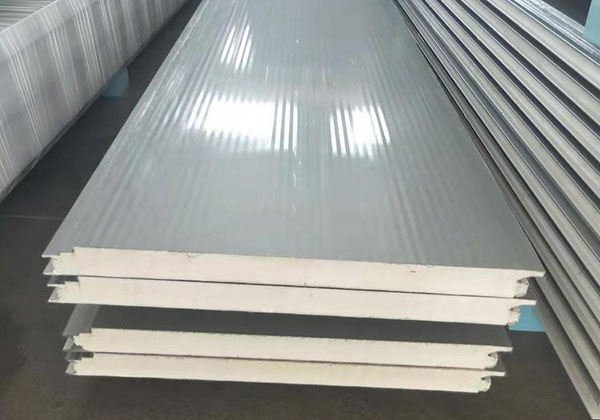
PIR is an upgraded version of PUR. Both are based on polyurethane, but PIR forms a denser closed cell structure and stronger molecular bonds by adjusting the formula (increasing isocyanuric acid content), ultimately achieving better insulation, flame retardancy, and low temperature resistance. Simply put, PIR has greater advantages than PUR and is designed specifically for harsh environments.
What are the advantages of choosing PIR for cold storage?
1. Temperature locking ability crushes traditional materials
More than 80% of the electricity consumption in cold storage is spent on maintaining low temperatures. The thermal conductivity of PIR is as low as 0.022-0.028 W/(m · K), which is lower than EPS (polystyrene board, 0.038), XPS (extruded board, 0.030), and even better than ordinary PUR (0.024-0.030). This means:
With the same thickness of board, PIR can reduce the cold storage capacity by more than 30% and directly save a lot of electricity costs.
Even in the face of ultra-low temperatures of -50 ℃ (such as quick freezing warehouses), PIR can still maintain stable insulation and will not cause gaps to leak due to low-temperature shrinkage.
2. Fire safety shield
Cold storage often stores flammable materials (such as food packaging and refrigerants), and the risk of fire cannot be ignored. PIR is naturally endowed with flame retardant genes:
Without the need to add a large amount of flame retardants, it can meet the B1 level flame retardant standard (self extinguishing upon ignition, no melting droplets).
During combustion, there is less smoke and low toxicity, which saves valuable time for personnel evacuation and firefighting.
In contrast, ordinary PUR is mostly B2 level (flammable), EPS is even B3 level (flammable), and using PIR in cold storage is equivalent to providing double safety.
3. Durable, no need to replace for 20 years
Once a cold storage is built, it can be used for as little as 10 years, and as much as 20 years or more. The durability of PIR lies in:
The closed cell rate is greater than 95%, and it hardly absorbs water. The water absorption rate is less than 0.5%, and it will not mold or rot in humid environments.
Strong ability to withstand freeze-thaw cycles (repeated impact at -50 ℃~120 ℃), and the board does not crack or deform.
After being covered with aluminum foil or color steel plate on the surface, it can also prevent UV aging and long-term exposure to sunlight without fading or powdering.
4. Save time, effort, and cost
Is the cold storage schedule tight? PIR sandwich panels helps you save time:
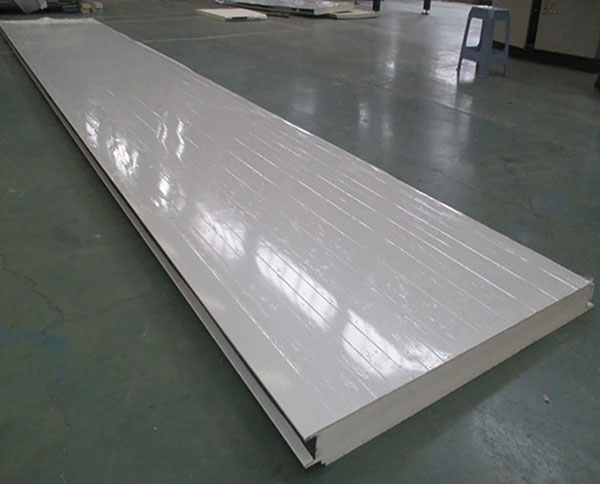
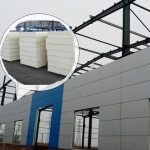
Standardization of board size (commonly 1.2m × 2.4m), can be directly assembled and installed without on-site cutting.
Lightweight, with a density of 35-50kg/m ³, only 1/8 of concrete, making handling and lifting easier.
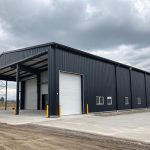
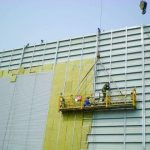
After being combined with metal surface materials such as color steel and stainless steel, it comes with a “sandwich structure” that only requires fixing the keel during installation, which is more than three times more efficient than traditional masonry/pouring.
Who is using PIR to build a cold storage?
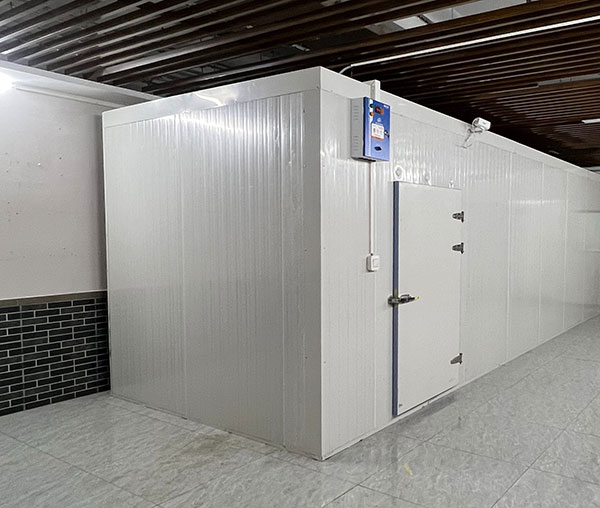
Fresh e-commerce pre warehouse: A leading platform used PIR board to build a -18 ℃ freezer, and the actual monthly electricity cost was 25% lower than the original EPS warehouse, with a payback period of 3 years.
Medical cold chain warehouse: The vaccine storage warehouse requires a constant temperature of ± 2 ℃, PIR board+intelligent temperature control system, and has not experienced temperature fluctuations exceeding the standard for 5 years.
Food processing plant: PIR panel is used in the meat quick freezing warehouse, which improves the temperature uniformity in the warehouse by 40% and reduces product thawing loss by 15%.
Summary
Although the initial cost of PIR insulation panels are slightly higher than EPS/XPS (about 10% -20% more expensive), the calculated total cost is lower:
Save electricity costs: Save 20% -30% of refrigeration energy consumption annually, and the money saved over 5-8 years covers the price difference.
Provincial maintenance: 20 years of no replacement, avoiding mid maintenance downtime and losses.
Ensure safety: meet fire prevention standards and comply with domestic and international cold storage fire safety regulations (such as EU EN13501, China GB8624).




Send us the inquiry form