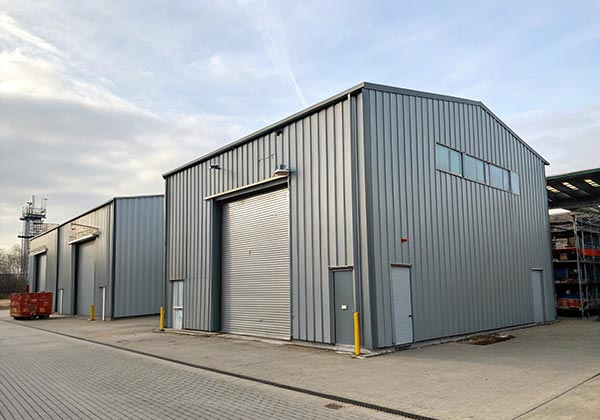
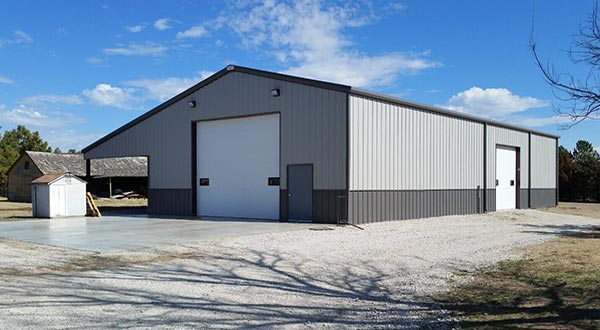
In today’s fast-paced society, prefab loods are transforming the construction industry at an astonishing pace. From industrial warehouses in Germany to farm facilities in Australia, from logistics centers in North America to manufacturing plants in Asia, this modular building solution is replacing traditional building models globally. According to data from the International Modular Building Association, the prefabricated building market reached $142 billion in 2024 and is projected to continue expanding at a CAGR of 8.4% over the next five years.
Prefab loods are a product of the combination of engineering, logistics, and design thinking, providing global users with fast, economical, and environmentally friendly space solutions.
How are prefab loods disrupting traditional construction?
1. High Efficiency
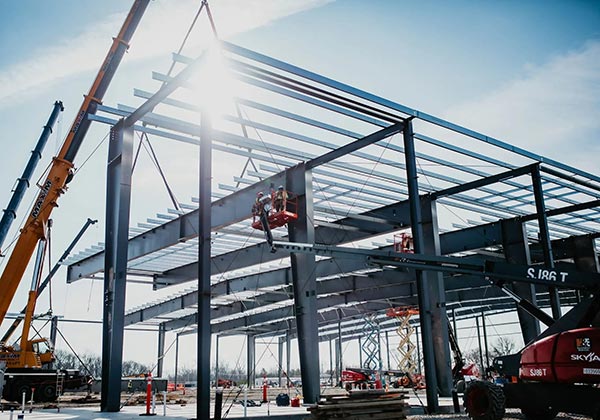
Traditional construction has long cycles and is affected by multiple factors such as weather, labor, and material supply. In contrast, prefab loods are manufactured in factories, reducing on-site assembly time by 60-70%. This efficiency advantage is particularly critical in scenarios involving emergency facility construction, seasonal operational expansion, and rapid market entry.
2. Controllable Costs
Prefabricated sheds offer greater cost transparency. Factory production reduces material waste (typically saving 15-20%), and standardized processes minimize labor cost variables. This predictability is highly attractive for budget-sensitive projects.
3. Consistent Quality
Components produced in a controlled factory environment exhibit significantly higher quality consistency than those from on-site construction. Advanced manufacturing equipment ensures that every bolt hole and every wall panel meets precise specifications, reducing human error and on-site variables.
4. Sustainability
Prefabricated buildings waste 30-40% less material than traditional buildings and are easier to integrate with energy-saving systems. Many manufacturers use recyclable steel and environmentally friendly insulation materials, further reducing their carbon footprint.
Prefab Loods Construction Process Overview
Phase 1: Planning and Design (2-4 weeks)
Requirements Analysis:
Define the Purpose: Warehousing, Manufacturing, Retail, Agriculture, or Mixed Use?
Determining Dimensions: Balancing current needs with future expansion.
Site Assessment: Topography, soil bearing capacity, local climate conditions.
Regulatory Compliance:
Study local building codes, zoning regulations, and permitting requirements.
High-Wind Areas: Increased structural reinforcement, use wind-resistant connection systems.
Cultural Adaptation:
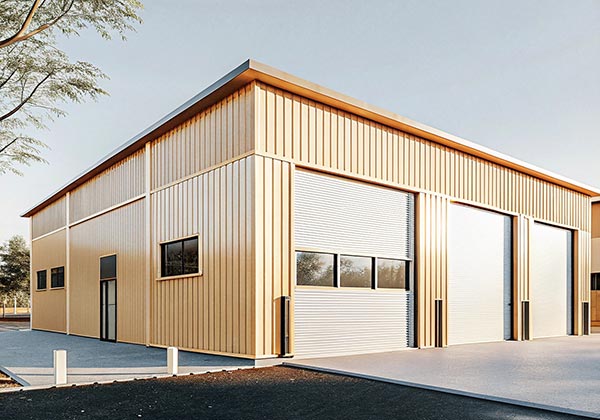
Adjusting exterior design to local aesthetics.
Adjusting interior layout to user habits.
Respecting local symbols and color preferences.
Industry Trends and Innovations
Smart Integration: More and more prefab loods are integrating IoT sensors to monitor structural health, energy use, and environmental conditions.
Hybrid Materials: Composite materials (such as fiber-reinforced polymers) are changing the performance parameters of prefabricated components, providing higher strength and lighter weight.
3D Printed Components: Edge parts and small-batch custom elements are increasingly using 3D printing technology.
Circular Economy Model: Some suppliers offer “shed-as-a-service,” including recycling and remanufacturing options.
Practical Recommendations
Industry Experience and Professional Certification: Find suppliers with a proven track record in your specific industry (agriculture, industry, commerce).
Engineering Support Capabilities: Suppliers should provide end-to-end engineering support from design to licensing.
Material Quality and Warranty: Review material specifications and understand warranty coverage and duration.
Localized Services: Even suppliers operating globally should have local or regional support teams.
Total Cost Transparency: Ensure the quote includes shipping, assembly, and all necessary accessories.
Conclusion
Prefab loods represent a significant shift in the construction industry towards efficiency, sustainability, and adaptability. They are no longer temporary or secondary building options but proven mainstream solutions suitable for global users.
Successful prefabricated building projects begin with in-depth needs analysis, and through careful design and professional execution, ultimately deliver value returns beyond traditional construction. With technological advancements and the maturing of global supply chains, prefab loods will continue to expand their application boundaries, providing flexible and intelligent space solutions for communities and businesses worldwide.
Whether you are a manufacturer needing to rapidly expand production capacity, a retailer seeking an economical storage solution, or a municipality requiring multifunctional community spaces, prefab loods offer a modern construction option worthy of serious consideration. The key lies in choosing the right partners, conducting thorough planning, and fully leveraging the inherent advantages of this construction method.


Send us the inquiry form