With the development of agricultural modernization, the demand for warehousing facilities for grain storage, agricultural product processing, and agricultural logistics is constantly increasing. Compared with traditional brick-and-mortar buildings, steel structure warehouses are gradually becoming an important choice in the agricultural building field due to their fast construction speed, high space utilization, and strong sustainability. In the current context of advocating green building and low-carbon development, how to design agricultural steel warehouses that meet environmental standards has become an important direction for agricultural infrastructure construction.
I. Core Principles of Green Steel Warehouse Design
Globally, agricultural warehouse design is increasingly focusing on environmental protection, energy conservation, and sustainable development. Green steel structure warehouses typically follow these core principles:
1. Low-carbon materials and recyclability
Steel structure materials have a high recyclability rate, most steel can be reused at the end of the building’s life cycle, thereby reducing construction waste and resource waste.
2. Energy-efficient building design
By rationally designing roof slopes, natural ventilation systems, and lighting systems, the need for artificial lighting and mechanical ventilation can be reduced, lowering energy consumption.
3. Environmentally Friendly Enclosure System
Using high-performance sandwich panels or insulation materials effectively controls indoor temperature, reduces energy consumption, and protects the quality of agricultural products.
4. Water Resource Management
Rainwater harvesting systems are designed into the warehouse roof for use in farm irrigation or cleaning, achieving water resource recycling.
II. Common Types of Agricultural Steel Warehouses
Steel structure warehouse can be designed in various structural types to meet the storage needs of different regions and agricultural products, depending on the specific agricultural requirements.
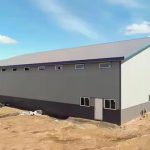
1. Single-Slope Roof Warehouse
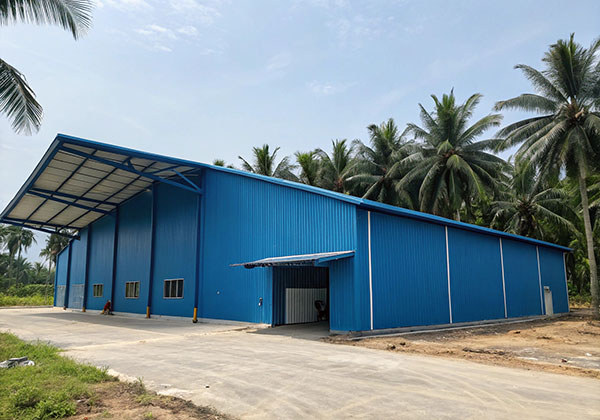
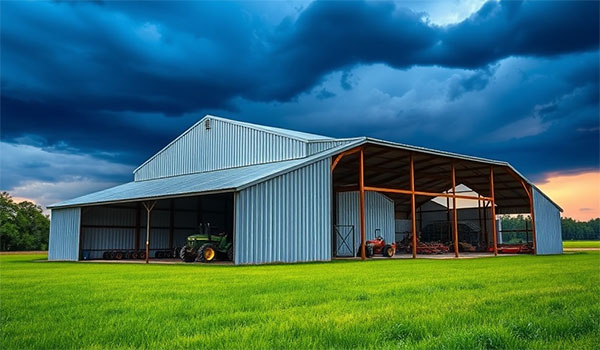
This structural design is simple, low-cost, and has high drainage efficiency, making it suitable for storing agricultural machinery, small grain warehouses, and agricultural input storage facilities. Especially in tropical and rainy regions, single-slope roofs effectively drain water and reduce roof water accumulation.
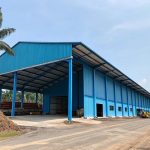
2. Double-Slope Roof Warehouse
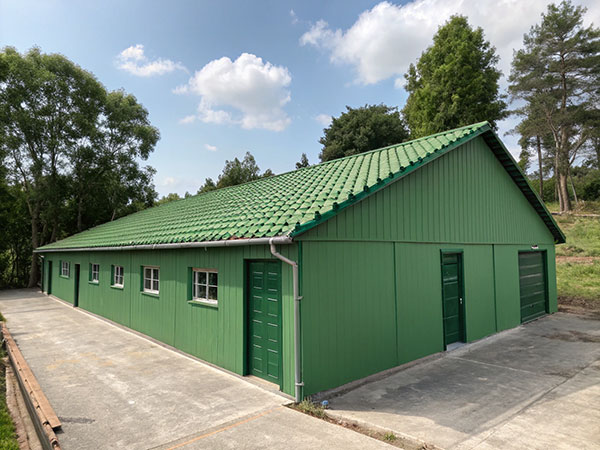
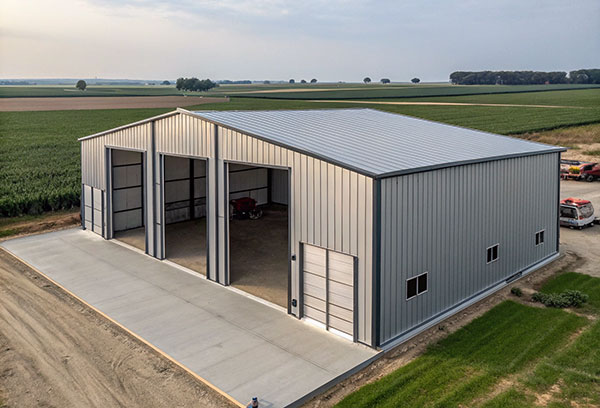
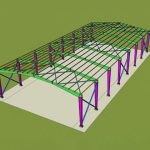
Double-slope roofs are the most common structural type for agricultural warehouses. They are characterized by structural stability and good ventilation, and can be combined with roof ventilation openings, making them suitable for grain storage, seed warehouses, and agricultural product processing warehouses.
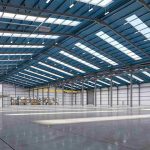
3. Large-Span Column-Free Warehouses
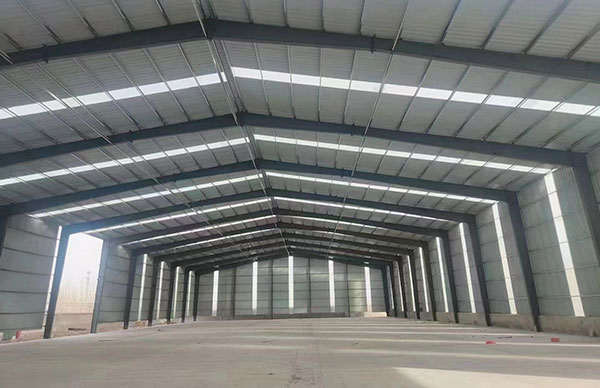
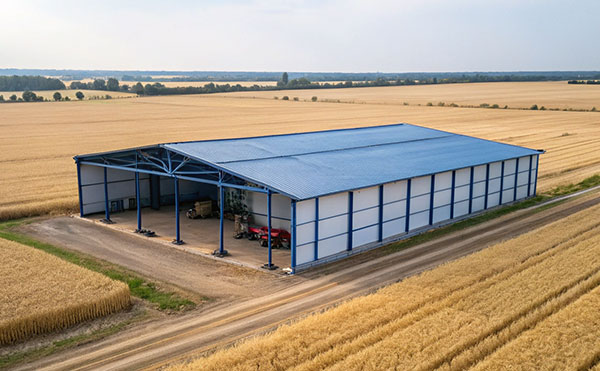
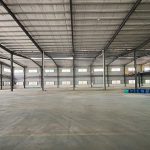
For large farms or agricultural cooperatives, large-span steel warehouses offer greater internal space, eliminating central columns and facilitating the entry and exit of machinery and the stacking of goods. They are commonly used in grain storage centers, agricultural logistics centers, and agricultural product sorting warehouses.
4. Multifunctional Agricultural Warehouses
Some modern agricultural projects combine storage, sorting, packaging, and processing functions in the same building. These warehouses typically employ modular steel structure designs, allowing for future expansion and functional adjustments.
III. Application Scenarios of Agricultural Warehouses
With the development of the agricultural industry chain, steel structure warehouses are widely used in various agricultural sectors.
Grain Storage Warehouses
Used for storing grains such as corn, wheat, soybeans, and rice, requiring good ventilation and moisture-proof design to maintain grain quality.
Agricultural Machinery Warehouses
Used for storing tractors, harvesters, and agricultural machinery, requiring high doorways and large internal spaces.
Cold Chain Agricultural Product Warehouses
Used for storing agricultural products such as fruits, vegetables, and meat, typically combined with insulated sandwich panels or cold storage systems.
Agricultural Logistics and Sorting Centers
With the development of agricultural product exports and e-commerce agriculture, more and more farms require integrated warehousing and logistics facilities.
IV. Application of Green Technologies in Agricultural Steel Warehouses
To achieve environmental protection and carbon reduction goals, modern agricultural warehouses are increasingly adopting green building technologies:
Rooftop Solar Systems: Utilizing photovoltaic panels installed on the warehouse roof to provide clean energy for the farm.
Natural Ventilation Design: Reducing the need for mechanical ventilation through ridge vents and side wall louvers.
Energy-Saving Enclosure Materials: Using high-performance insulation panels to reduce temperature fluctuations.
Modular Design: Reducing construction waste and facilitating future expansion.
These technologies not only reduce carbon emissions but also lower long-term warehouse operating costs.
V. Industry Development Trends
From the perspective of the agricultural building market, steel structure warehouses are becoming an important trend in agricultural infrastructure construction. The main reasons include:
Short construction period, enabling rapid deployment.
Flexible structure, allowing for expansion based on agricultural needs.
Low maintenance costs, suitable for long-term use.
Good environmental performance, compliant with green building policies.
With the development of large-scale and intelligent agriculture, future green steel warehouses will not only be storage spaces but also crucial nodes for agricultural logistics, processing, and data management.
Conclusion
Against the backdrop of global agricultural industry upgrading, designing green and environmentally friendly steel structure agricultural warehouse has become an important direction for industry development. Through reasonable structural design, energy-saving materials, and the application of sustainable technologies, steel structure warehouses can not only improve agricultural production efficiency but also achieve energy conservation, emission reduction, and environmental protection goals. For agricultural enterprises and farm operators, choosing green steel warehouses will be an important step in improving agricultural infrastructure and achieving long-term sustainable development.

Send us the inquiry form